

When it comes to protecting your smile, understanding the difference between a dental filling and a root canal can make all the difference. At Cobblestone Park Family Dental, patients of all ages receive comprehensive care—from preventive treatments to advanced restorative procedures—all designed to preserve natural teeth and maintain long-term oral health.
But how do you know whether your tooth needs a simple filling or a more advanced root canal?
Let’s break it down in a clear, patient-friendly way so you can feel confident about your dental care decisions.
If you’re experiencing tooth pain or sensitivity, contact our team today to schedule an exam and get answers about the best treatment for your smile.
Understanding the Basics of Tooth Structure
To understand the difference between a filling and a root canal, it helps to know how your tooth is structured.
Each tooth has multiple layers:
- Enamel – the hard outer surface that protects the tooth
- Dentin – the layer beneath enamel that is more sensitive
- Pulp – the innermost layer containing nerves, blood vessels, and connective tissue
The pulp extends through the root canal system of the tooth. When decay or damage is confined to the outer layers, a filling is often enough. But when it reaches the pulp, more advanced treatment, like a root canal, is needed to save the tooth.
What Is a Dental Filling?
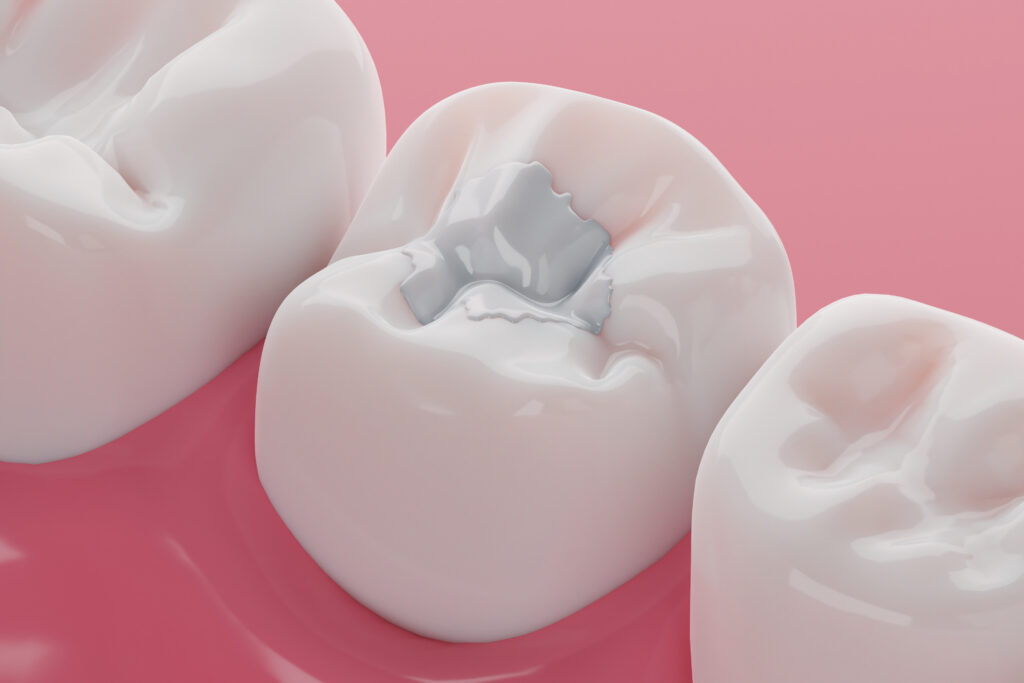
A dental filling is one of the most common and straightforward restorative treatments. At Cobblestone Park Family Dental, we use tooth-colored fillings to restore strength while maintaining a natural appearance.
When Is a Filling Needed?
Fillings are typically recommended when:
- A cavity is caught early
- Decay has not reached the tooth’s pulp
- There is minor damage, such as small cracks or wear
What Happens During a Filling?
The dentist will:
- Remove the decayed portion of the tooth
- Clean the area
- Fill it with a durable material (often composite resin)
- Shape and polish the filling for a natural look
Fillings are quick, minimally invasive, and highly effective at stopping decay before it worsens.
What Is a Root Canal?
A root canal is a procedure used to treat infection inside the tooth. Instead of removing the tooth, this treatment saves it by removing infected pulp and sealing the inside.
Why Root Canals Are Important
Without a root canal, an infected tooth may need to be extracted entirely. Root canal therapy helps:
- Eliminate infection
- Relieve pain
- Preserve your natural tooth structure
What Happens During a Root Canal?
The procedure typically involves:
- Removing infected pulp tissue
- Cleaning and disinfecting the root canals
- Filling and sealing the space
- Placing a crown afterward for protection if needed
Thanks to modern dentistry, root canals are now performed with little to no discomfort, making them far less intimidating than many people expect.
Key Differences Between a Filling and a Root Canal
Understanding the distinction between these two treatments comes down to the extent of the damage.
Fillings:
- Treat surface-level or moderate decay
- Preserve most of the natural tooth
- Require minimal treatment time
- Typically involves minimal discomfort
Root Canals:
- Treat deep infections inside the tooth pulp
- Remove damaged internal tissue
- Often require additional restoration (like a crown)
- It is necessary to save the tooth from extraction
Simply put, a filling repairs the outside of the tooth, while a root canal treats the inside.
Signs You May Need a Filling
Cavities don’t always cause noticeable symptoms at first, which is why regular dental visits are so important. However, some signs that you may need a filling include:
- Mild tooth sensitivity to sweets, hot, or cold
- Visible holes or dark spots on teeth
- Occasional discomfort when biting
- Food frequently gets stuck in the same area
Early detection is key. Treating a cavity with a filling can prevent it from progressing into a more serious issue and support affordable dental care over time.
Signs You May Need a Root Canal
When decay or damage reaches the pulp, symptoms tend to be more severe. You may need a root canal if you experience:
- Persistent or severe tooth pain
- Prolonged sensitivity to hot or cold
- Swelling or tenderness in the gums
- Tooth discoloration
- Pain when chewing or touching the tooth
In more advanced cases, an abscess (a pocket of infection) can form, which may lead to further complications if left untreated.
If you’re experiencing any of these symptoms, contact our team right away. Early treatment can save your tooth and prevent more serious complications.
What Causes the Need for a Root Canal?
Several factors can lead to pulp infection, including:
- Untreated cavities that deepen over time
- Cracked or chipped teeth that expose the inner layers
- Repeated dental procedures on the same tooth
- Injury or trauma to the tooth
When bacteria reach the pulp, they can cause inflammation and infection that cannot heal on its own, making a root canal necessary.
Can a Filling Turn Into a Root Canal?
Yes.
If a cavity is left untreated, it can grow deeper over time. What starts as a small area of decay that could be treated with a filling may eventually reach the pulp, requiring a root canal.
This is why Cobblestone Park Family Dental emphasizes preventive care and regular exams—to catch problems early and, whenever possible, avoid more extensive treatments.
Do You Need a Crown After a Root Canal?
In some cases, especially after a root canal, your dentist may recommend placing a dental crown.
Dental crowns:
- Protect and strengthen weakened teeth
- Restore function and appearance
- They are often used when a tooth has large decay or structural damage
While fillings restore smaller areas, crowns provide full coverage for teeth that need extra support.
Preventing the Need for Fillings and Root Canals
The best way to avoid both fillings and root canals is through consistent preventive care.
Daily Habits:
- Brushing twice daily with fluoride toothpaste
- Flossing every day
- Limiting sugary foods and drinks
- Staying hydrated
Professional Care:
- Routine dental cleanings
- Regular exams
- Early detection of issues
As the American Dental Association emphasizes, oral health is an important part of total health and well-being. This is one more reason why early treatment matters. Addressing cavities early helps support not only your smile, but your overall health.
Preventative care also helps reduce treatment costs. Learn more in our guide, Preventative Dentistry: How Regular Cleanings Save Money in the Long Run.
Compassionate Dental Care in Oklahoma City
Choosing the right dental provider plays a big role in your comfort and outcomes. At Cobblestone Park Family Dental, our team is committed to creating a welcoming, family-focused environment where patients feel informed and at ease.
From routine fillings to advanced root canal therapy, their goal is always the same: to save your natural teeth whenever possible and support your long-term oral health.
Do You Need a Filling or Root Canal? Here’s What to Do Next
If the damage is minor, a filling may be all you need. If infection has reached the pulp, a root canal can save your tooth.
The key is early evaluation.
If you’re dealing with tooth pain, sensitivity, or think you may need a filling or root canal, contact Cobblestone Park Family Dental today to schedule your appointment.