

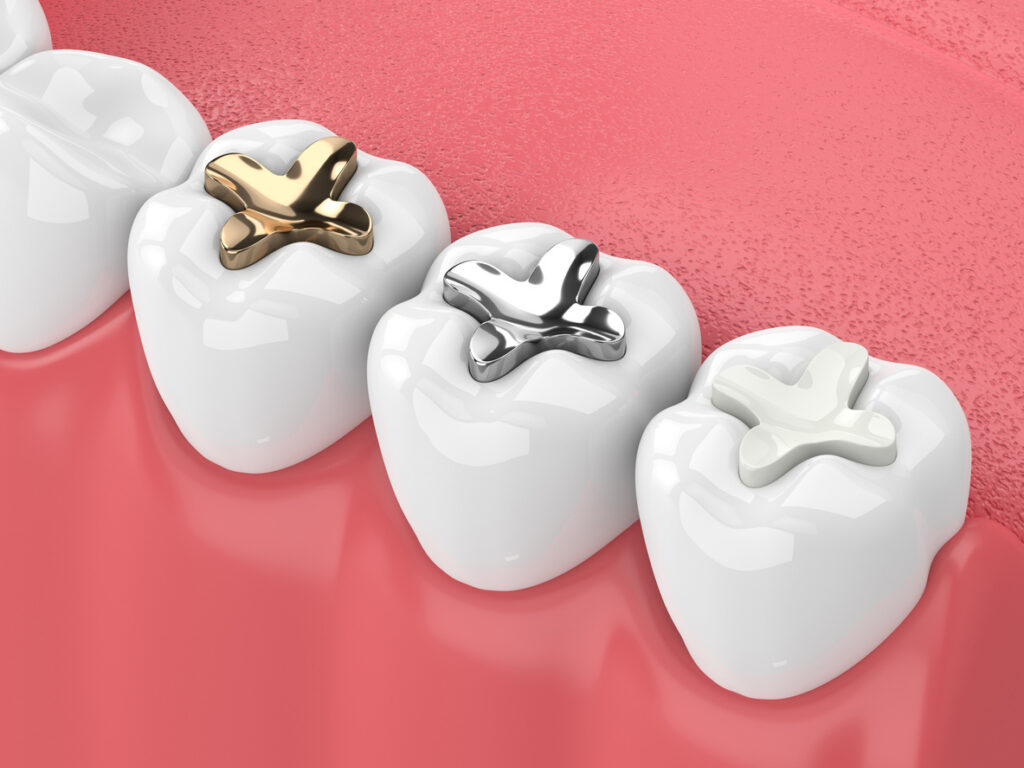
Silver Fillings vs. Tooth-Colored Fillings
When a cavity develops, one of the first questions patients ask is, “Should I get a silver filling or a tooth-colored filling?” You may also hear these restorations referred to as white fillings, composite fillings, metal fillings, or amalgam fillings.
The two most common types of dental fillings are composite (tooth-colored) fillings and amalgam (silver) fillings. While both are designed to restore teeth damaged by decay, they differ in appearance, durability, and function.
At Cobblestone Park Family Dental, we believe patients should feel informed and confident about every treatment recommendation. Understanding the differences between silver and tooth-colored fillings can help you choose the best option for your oral health needs, cosmetic goals, and lifestyle.
What Are Composite Fillings?
Composite fillings are created from a durable blend of resin and finely ground glass particles. These fillings are designed to seamlessly match the color of your teeth. This makes them an attractive option for many patients. Because composite material can be customized to match surrounding teeth, it is often difficult for others to tell that a filling is present at all.
Benefits of Composite Fillings
Natural Appearance
One of the biggest advantages of composite (tooth-colored) fillings is their ability to blend with natural teeth. This makes them especially popular for visible areas of the mouth, such as front teeth and teeth that show when you smile.
Conservative Treatment
Composite fillings bond directly to your tooth. This often allows dentists to preserve more healthy tooth structure during treatment than some traditional restoration methods.
Versatility
Composite material can be used for more than just cavities. It can also repair:
- Chipped teeth
- Small cracks
- Minor cosmetic imperfections
- Worn tooth surfaces
Reduced Sensitivity
Many patients experience less temperature sensitivity with composite restorations because the material does not conduct heat and cold as readily as metal fillings.
Potential Limitations of Composite Fillings
While composite fillings offer many advantages, they may not always be the ideal choice.
Potential considerations include:
- May wear faster under heavy chewing forces
- Can be more technique-sensitive during placement
- Typically requires a dry environment during treatment
- It may not be recommended for very large restorations in certain situations
Your dentist will evaluate whether a composite filling can provide sufficient durability for the specific tooth being treated.
Interested in tooth-colored fillings? Contact our team at Cobblestone Park to schedule an evaluation and learn whether composite fillings are right for your smile.
What Are Amalgam Fillings?
Amalgam fillings have been used for well over a century. They are created by combining metals such as silver, copper, tin, and mercury into a durable restorative material. Many patients recognize amalgam fillings as the silver-colored fillings commonly found in older dental work.
Benefits of Amalgam Fillings
Exceptional Durability
Amalgam dental fillings are known for their strength and longevity. They often withstand heavy chewing forces exceptionally well and can last for many years with proper care.
Effective for Large Cavities
When significant tooth structure has been lost due to decay, amalgam may provide a strong, reliable restoration.
Moisture Tolerance
Amalgam can be less sensitive to moisture during placement, making it useful in situations where isolation may be difficult.
Proven Track Record
Dentists have successfully used amalgam fillings for generations, giving the material a long history of clinical success.
Potential Limitations of Amalgam Fillings
Despite their durability, amalgam fillings do have drawbacks.
Appearance
The most obvious disadvantage is aesthetics. Silver-colored fillings are much more noticeable than tooth-colored composite restorations.
Tooth Expansion and Contraction
Metal fillings expand and contract with temperature changes. Over time, this movement can place stress on the surrounding tooth structure.
More Tooth Structure May Need Removal
In some cases, additional healthy tooth structure must be removed to create the shape needed to retain an amalgam filling.
Cosmetic Concerns
Many patients prefer restorations that preserve the natural appearance of their smile, especially in visible areas of the mouth.
Are Silver Fillings Safe?
Many patients have questions about the safety of silver fillings, also known as amalgam fillings. Amalgam has been used in dentistry for more than 150 years and is made from a combination of metals, including silver, copper, tin, and mercury.
According to the American Dental Association (ADA), dental amalgam is considered a safe and effective restorative material for many patients. Extensive research has been conducted on amalgam fillings, and major health organizations continue to support their use in appropriate situations.
While some patients prefer tooth-colored composite fillings because they blend naturally with their smile and do not contain mercury, both composite and amalgam fillings can be effective treatment options. If you have concerns about existing silver fillings or are deciding between filling materials, your dentist can help you determine the best choice for your individual needs.
Should You Replace Old Silver Fillings?
Many patients wonder whether older silver fillings should be replaced with tooth-colored fillings. In many cases, silver fillings that are functioning properly do not need to be replaced simply because they are visible.
However, replacement may be recommended if:
- The filling is cracked, worn, or damaged
- Decay has developed around the filling
- The tooth has become weakened
- The filling no longer fits properly
- You would like a more natural-looking smile
During routine dental exams, your dentist can evaluate existing fillings and determine whether replacement is necessary. If a silver filling needs to be replaced, modern tooth-colored composite fillings can often provide a durable restoration that blends seamlessly with your natural teeth.
Wondering whether your existing silver fillings should be replaced? Contact our team to schedule an exam and discuss whether modern tooth-colored fillings may be a good option for your smile.
How Dentists Choose Between Silver and Tooth-Colored Fillings
There is no one-size-fits-all answer when choosing between composite and amalgam fillings. At Cobblestone Park Family Dental, we consider several factors to determine which restoration will provide the best long-term result for each patient.
Location and Visibility of the Tooth
The location of the cavity is often one of the biggest factors. For front teeth and other highly visible areas, tooth-colored composite fillings are often preferred because they blend naturally with surrounding teeth. For back teeth that experience significant chewing pressure, durability may play a larger role in the decision.
Size of the Cavity
Smaller cavities are often excellent candidates for composite fillings. However, when a tooth has extensive decay or damage, a larger restoration—such as a crown or onlay—may provide better long-term strength and protection.
Bite Forces and Daily Wear
Every patient’s bite is different. Patients who clench or grind their teeth at night, or place significant pressure on their teeth, may require additional consideration when selecting a restorative material. Your dentist will evaluate how your teeth function together before making a recommendation.
Cosmetic Preferences
For many patients, maintaining a natural-looking smile is important. Because composite fillings match the color of natural teeth, they are often the preferred choice for patients who want their dental work to be virtually unnoticeable.
Oral Health and Long-Term Goals
Good brushing habits, flossing daily, and regular dental visits help any filling last longer. Your overall oral health, future treatment needs, and long-term goals play a role in determining the best filling material for your smile.
Cost and Insurance Coverage
Insurance coverage and out-of-pocket costs can vary depending on your dental plan and treatment needs. Our Cobblestone Park team works closely with our patients to maximize insurance benefits and explain all available options so they can make a confident and informed decision.
Why Many Patients Choose Tooth-Colored Fillings
Advances in dental materials have improved the strength and durability of composite restorations over the years.
Today’s composite fillings offer:
- Improved wear resistance
- Better bonding capabilities
- Enhanced aesthetics
- Longer-lasting results
As a result, many dentists and patients choose composite dental fillings for both cosmetic and functional reasons.
For many modern dental practices, tooth-colored restorations have become the preferred option in a wide range of situations.
Trust Cobblestone Park Family Dental for Your Restorative Dental Needs
Whether you need your first filling or want to replace older restorations, choosing the right dental team is just as important as choosing the right filling material.
If you have questions about cavities, fillings, or any other dental concerns, schedule an appointment with our team. We are here to help you understand your options and make the best decision for your oral health and smile.